When thinking about AI-powered surgical video, it might be easy to assume that it is entirely out of reach. It may imply that you must have the most advanced equipment, seamless Wi-Fi, and an abundance of time and resources.
But in reality, it is entirely the opposite.
The team at Surgical Data Science Collective (SDSC) is optimizing to help people everywhere upload surgical video for data-driven AI analysis. Surgical Video Platform (SVP) has been designed to tackle many of the problems that make artificial intelligence inaccessible, and our collaboration in Tanzania proves that surgical AI is not reserved for a few select health systems; it can be built, adapted, and sustained anywhere there is commitment and partnership.
Here’s how we did it.
The invitation
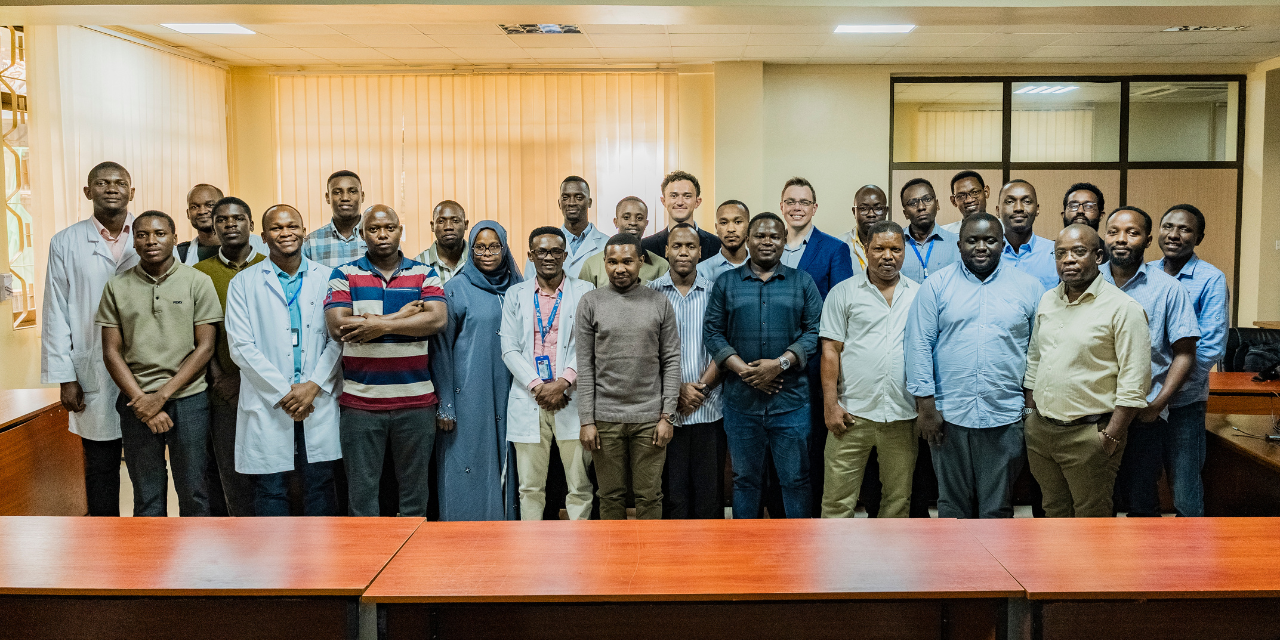
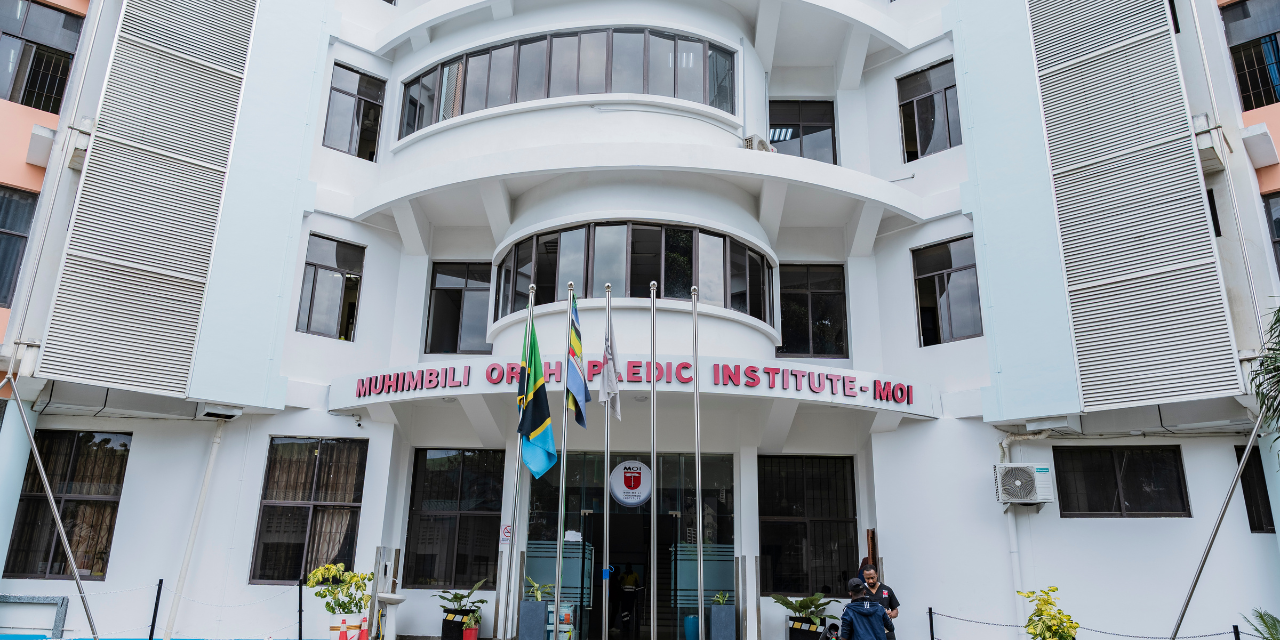
In 2025, a collaboration was established between SDSC, George Washington University (GWU), Children’s National Hospital, and the Muhumbili Orthopaedic Institute (MOI) to explore how operative video analysis could transform neurosurgical training in Tanzania.
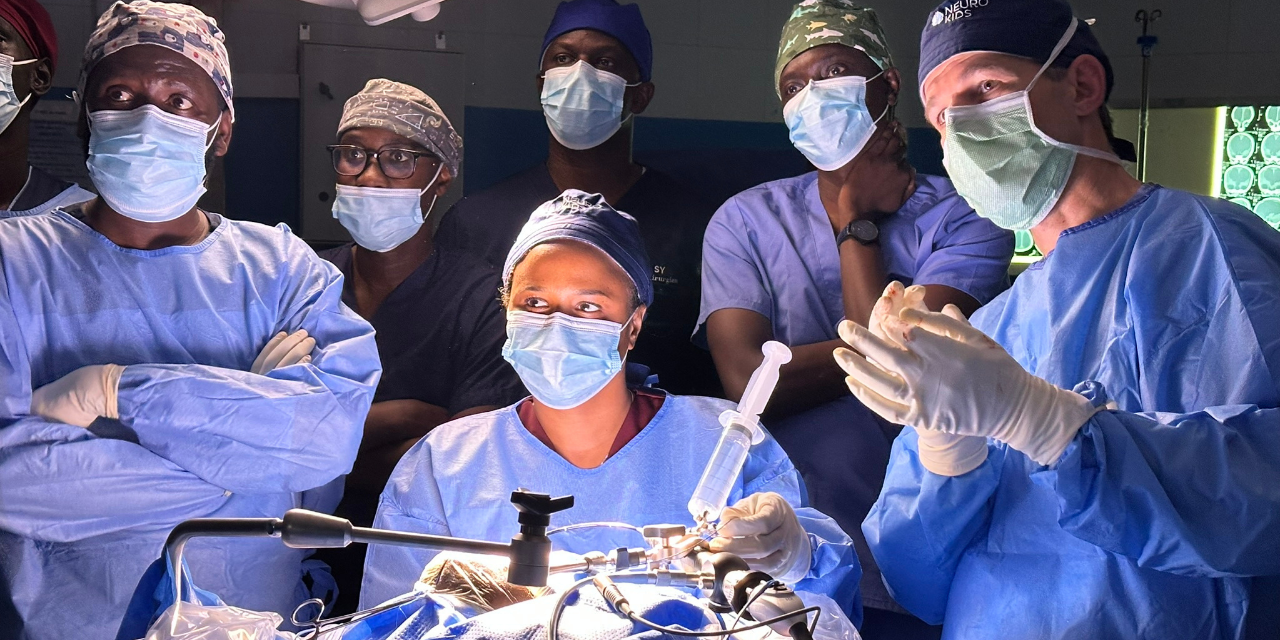
This project began at the invitation of leadership at MOI and the Tanzania Neurosurgical Society, who asked SDSC to work with them to address real challenges in neurosurgical training – particularly those around endoscopic procedures like ETV-CPC for pediatric hydrocephalus.
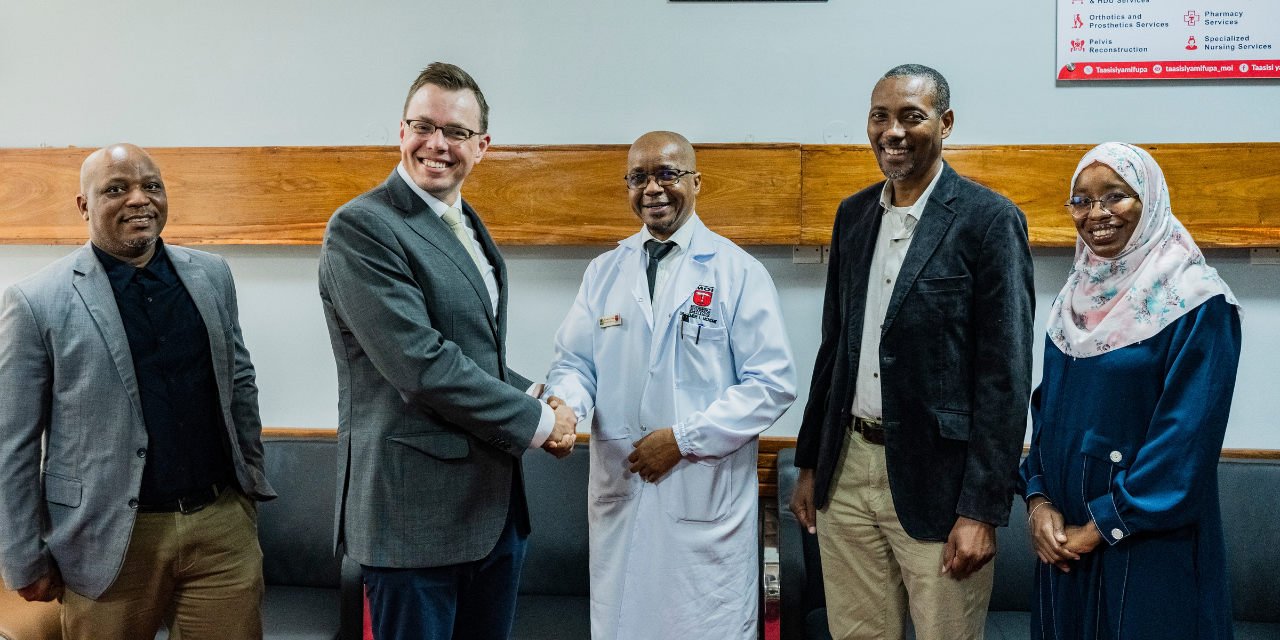
MOI became the pilot site for SDSC’s first neurosurgical implementation in East Africa, and our team later arrived in Dar es Salaam ready to listen and learn.
The surgeons at MOI recognized the value of structured video review and AI-generated feedback, and showed a strong interest in benchmarking surgical performance, building a peer learning library, and creating more consistent educational opportunities for their trainees. Unfortunately, enthusiasm alone does not solve infrastructure challenges, so here is how SDSC is optimized for executing projects like this where resources are constrained:
A partnership built on trust and data sovereignty
Firstly, data governance is always non-negotiable:
- All surgical video belongs to MOI and the hospital system
- The hospital retains full authority to refuse, remove, or destroy any data at any time
We recognize that in many countries, protected health information must remain on premises, therefore all surgical videos uploaded to SVP do not contain personally identifiable information (PII) – what reaches the platform is procedural footage only.
We partner to securely upload, analyze, and return insights that strengthen surgical training locally, and the knowledge that is generated is fed directly back to the surgeons and institutions who created it – assisting them to benchmark performance and improve care delivery.
Adapting SVP for low-resource environments
For SVP to function effectively, certain technical conditions must be met – but how these conditions are achieved can vary dramatically by setting. We do not expect hospitals to transform their infrastructure overnight, so we design our infrastructure to meet theirs. In Tanzania, we encountered two primary obstacles: bandwidth constraints and equipment variability.
1. Working around bandwidth limitations
SVP’s architecture is built on secure and stable cloud infrastructure that accommodates low-bandwidth environments. “Whenever someone uploads a video to SVP, the system automatically finds the fastest route across the internet.” – Ahmed Amin, SDSC Head of Engineering.
The platform uses Amazon Web Services (AWS) accelerated endpoints (AEs) – an invisible network of data centers around the world. Instead of every upload trying to travel all the way to SDSC’s main data center, the file jumps to the nearest AE, where it cuts the distance to the hub dramatically and travels at high speed to the U.S.
That’s how a hospital in Dar es Salaam can get a video uploaded to SVP in minutes instead of hours. If the AEs didn’t exist, every upload would have to crawl the full distance, often failing if the connection is unstable.
The reverse applies for viewing video – AWS’s Content Delivery Network (CDN) is a global web of servers that lets surgeons stream videos from the node closest to them, reducing lag and buffering.
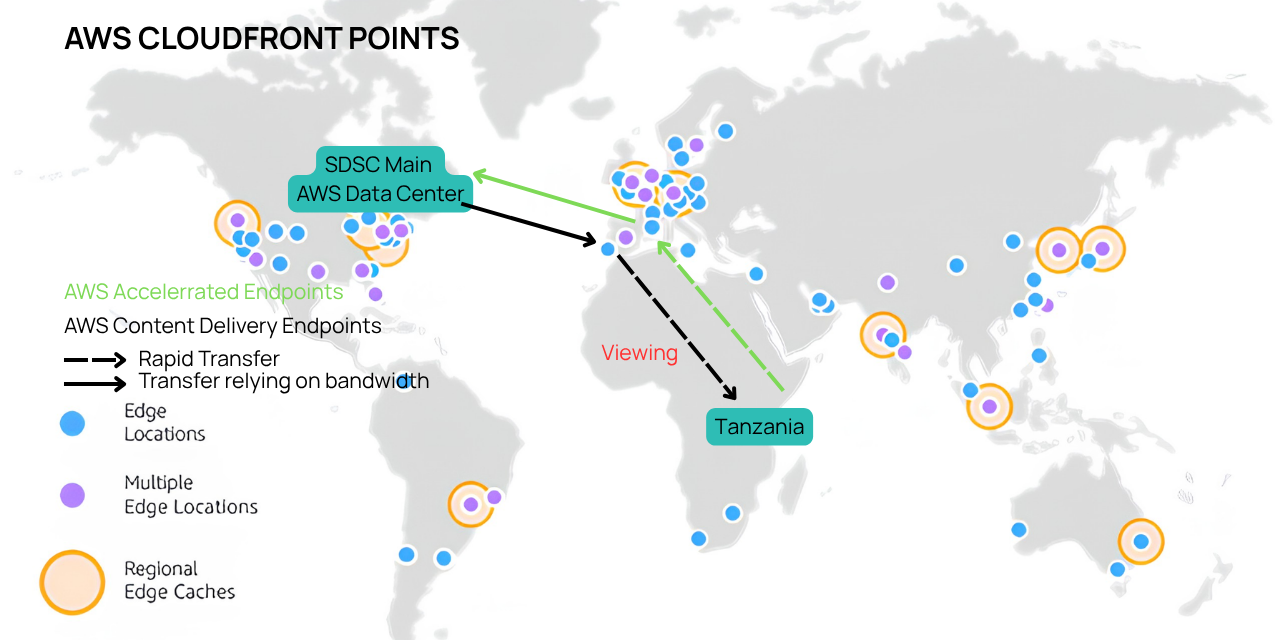
In other words: Accelerated Endpoints for uploading, Content Delivery Networks for viewing.
2. Collaborating with local technical teams
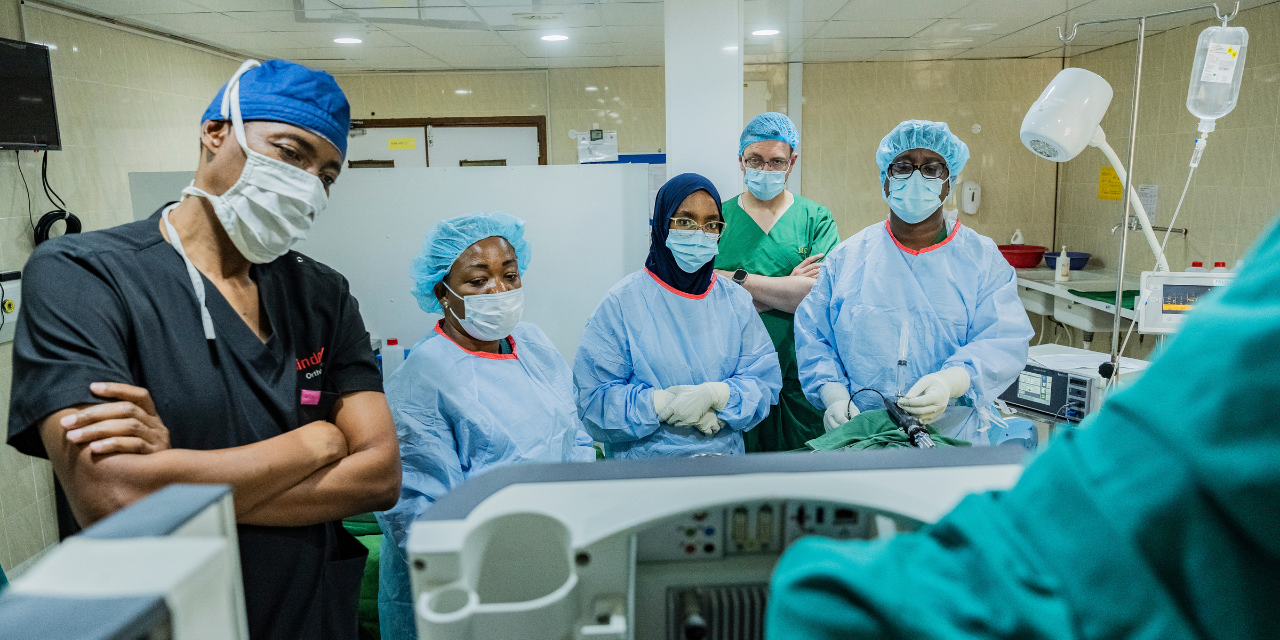
The success of implementation at MOI was driven by partnership amongst their technicians and staff. They have the best understanding of their hospital systems, and so they took the lead on finding a solution.
“We really need a feedback system, like an AI program which simplifies and analyzes all of this information to deliver insights in small feeds. We want to push this program to make it ours, so that others in the region can learn from it too.” – Dr. Lemeri L. Mchome, Director of Neurosurgery, MOI
A model that other countries can adopt
If you are a hospital leader or Ministry of Health elsewhere in the world facing similar questions around feasibility, SDSC understands there are real barriers to the implementation of surgical AI – we have seen them firsthand. But they are not dealbreakers.
The implementation in Tanzania demonstrates that:
- Surgical AI does not require perfect infrastructure
- Data remains sovereign and locally-owned
- Upload workflows can be adapted to bandwidth realities
- Local technical teams lead the way in deployment
- Surgeons in low-resource settings can benchmark and refine their skills using the same analytical frameworks as colleagues anywhere in the world
To build SDSC’s vision – a globally connected surgical learning network powered by data – we must solve the technical barriers so that our partners can focus on improving patient care. We recognize that surgical equipment may be incompatible, Wi-fi can be a limiting factor, and data security is sensitive. They are all ground realities that we are committed to working through, as partners.
From Tanzania to the World
What began at MOI in Dar es Salaam is now a functioning example of how surgical AI can be deployed responsibly, securely, and collaboratively in a low-resource setting.
If your institution is exploring how operative video and AI could strengthen surgical training, but you’re unsure whether your infrastructure can support it, we invite you to start the conversation. Please reach out to our team at info@surgicalvideo.io.