At the recent Society of American Gastrointestinal and Endoscopic Surgeons (SAGES) Next Big Thing Innovation Summit, Surgical Data Science Collective’s (SDSC) Founder and President Dr. Daniel Donoho had the opportunity to speak with an audience of surgical leaders, CEOs, technologists, and researchers to discuss the future of surgery. Dr. Donoho was invited to share SDSC’s perspective on benchmarking for AI and the surgical gesture ontology effort, but more broadly, he spoke about something bigger: the transition from Digital Surgery 1.0 to Digital Surgery 2.0, and the infrastructure that must be built to support it.
The Transition to Digital Surgery 2.0
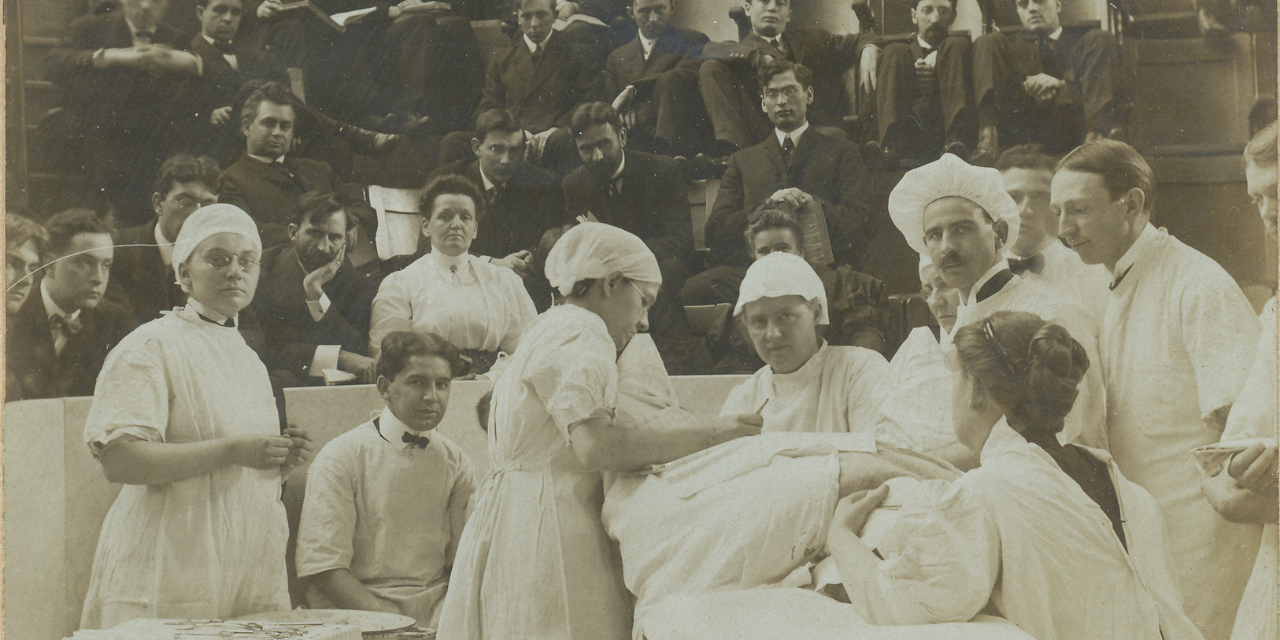
The past decade marked the era of Digital Surgery 1.0, which has seen the first real digital solutions enter and sense the operating room. Cameras, robotic systems, tracking tools, and data collection platforms are all digitalizing the surgical environment.
This era has been governed primarily by business realities and technical and sociological limitations, with much of the effort focused on capturing data and building devices, rather than transforming surgery itself as a system.
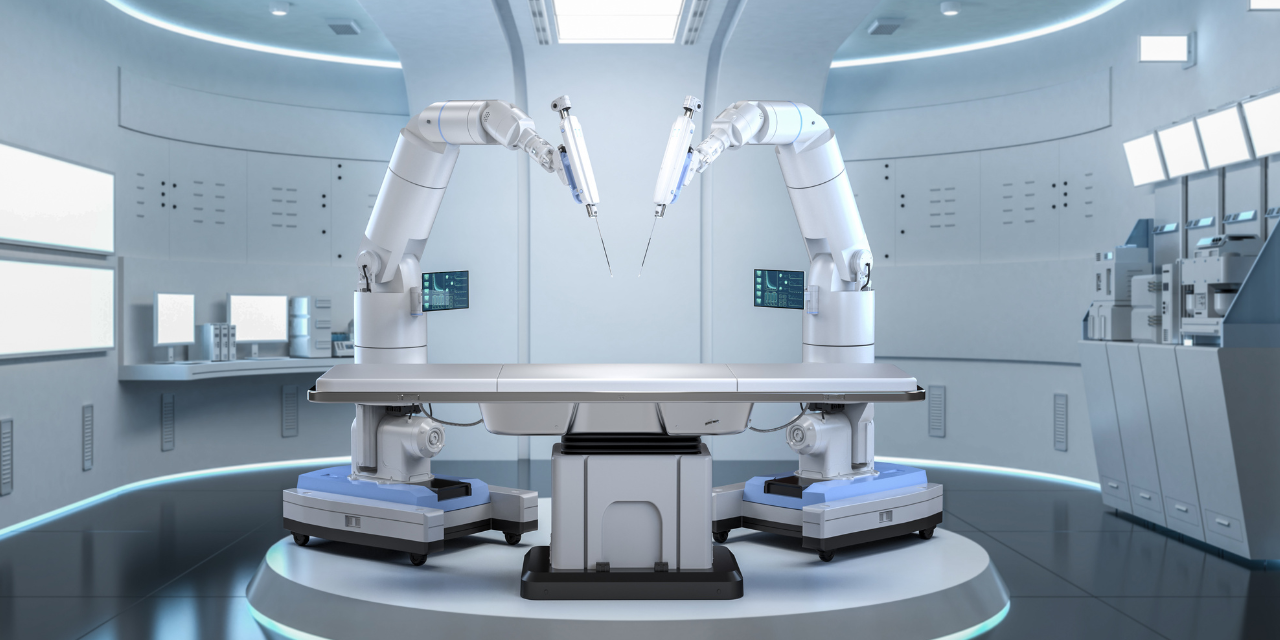
But there is a new era dawning: Digital Surgery 2.0. It is a tidal wave of reasoning systems, decision support, autonomy, and new forms of surgical knowledge creation.
.png)
What’s the real problem here?
Many companies in this space will talk about Digital Surgery in terms of market size and billions of dollars in opportunity, but that is not how SDSC is navigating this field. We believe that the real digital solution must begin with the magnitude and type of problem we are trying to solve:
Massive disparity in surgical access, quality, and outcomes.
Surgical knowledge is unevenly distributed across the US and the globe, and surgical processes vary widely in intensity and quality. Outcomes are disparate and often poor. Millions of people die because of an inequitable lack of access to safe, high-quality surgical care. More than 150 million surgeries needed annually are not performed, and more than 4 million preventable deaths occur each year due to suboptimal surgical care.1
If Digital Surgery 2.0 does not address these problems, it is not truly transforming surgery.
Digital Surgery is a technical AND sociocultural problem
SDSC’s real digital solution builds upon the success and learnings from the challenges of Digital Surgery 1.0 by creating unique capabilities to operate in a community-focused approach, across more than 60 countries and dozens of institutions. Digital Surgery 2.0 needs to approach surgery from its data-centric primitives – anatomy, kinematics, gestures, pathology, operating room state – just as much as its sociocultural primitives – surgeons, hospitals and employers, payers, regulators, government and transnational organizations.
We deeply respect that we are working in a flawed or even broken system everywhere we go, from the highest-income environments to the lowest-income settings, or from the “densest care environments to the sparsest care deserts” as Dr. Donoho puts it. These are systemic challenges.
Trust and security are just as important as data, and social and regulatory context is just as critical as technical capability. What we need is both human infrastructure and data infrastructure that is built for the benefit of the field and for patients worldwide.
The SDSC Framework
To help build this infrastructure, we think about our framework as three core ideas:
- Neutral aggregator – a place where all stakeholders can contribute data, tools, knowledge, and build on shared rails.
- Measure and improve – enabling surgical performance measurement across institutions, countries, and specialties.
- Non-profit data utility – creating a global public good for surgical data and surgical knowledge.

The fundamental question is: How do we eliminate the distance between the lab and global surgical practice?
Proof that this model can work
We don’t want the conversation around Digital Surgery 2.0 to be abstract. Here are three real examples of SDSC’s work:
Data aggregation at scale
SDSC has built a massive-scale centralized data repository with rights management and licensing designed to accelerate research, education, and technology development across the surgical community.
Today, we already have more than 13,000 hours of real surgical video aggregated into the Surgical Video Platform (SVP). But more interestingly – what becomes possible when this ecosystem grows?
Imagine if we also assimilated the de-identified patient records from more than 100,000 operations, or hundreds of thousands of image-outcome pairs? What could that mean for patient care?
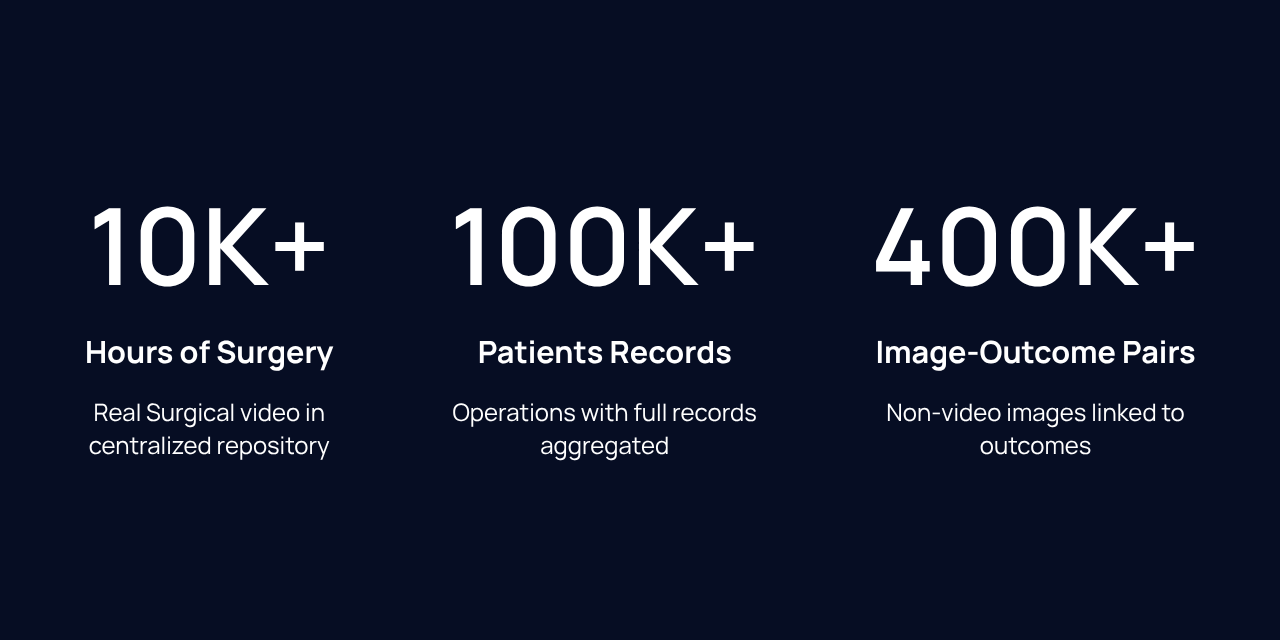
Performing data aggregation and computation at global scale would be critical for the field. We invite all readers to consider how this capability (beyond what SDSC is already doing) could transform your surgical practice.
Government & regulatory engagement
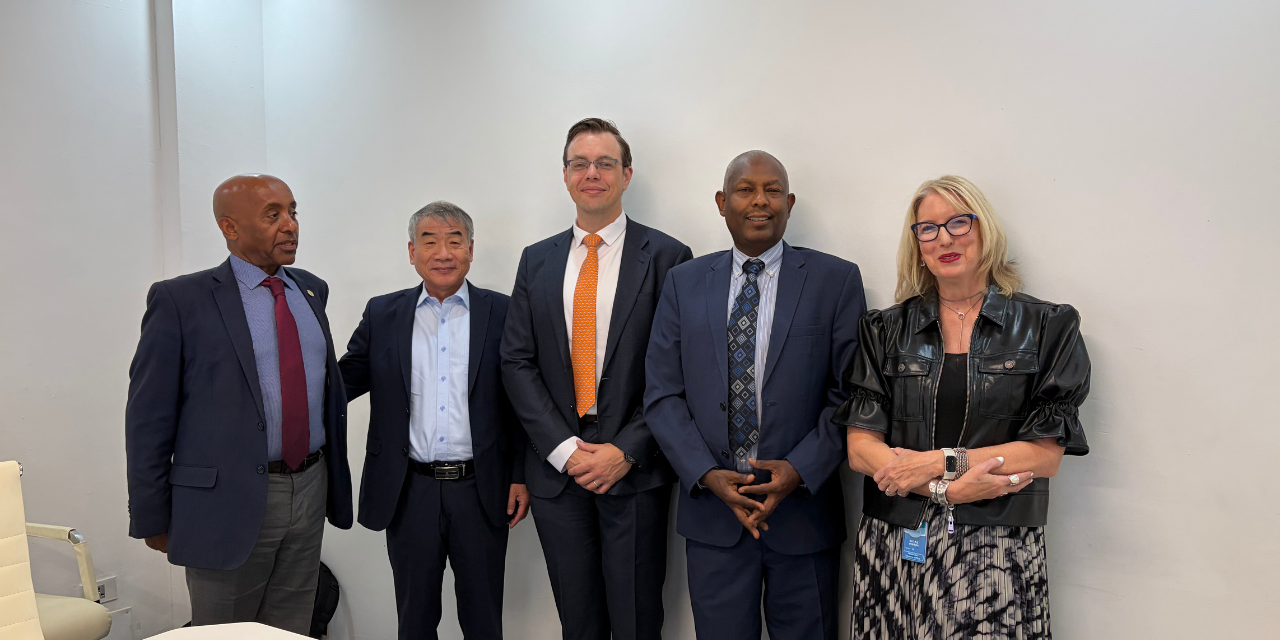
We have demonstrated the ability to move forward at the government level, the regulatory level, and to connect previously unconnected dots. In today’s increasingly intergovernmental international area, we signed the first national-level memorandum for OB/GYN AI-based surgical training with the Ethiopian Ministry of Health. This follows our successful pilot study in neurosurgery at the Muhimbili Orthopaedic Institute in Tanzania.
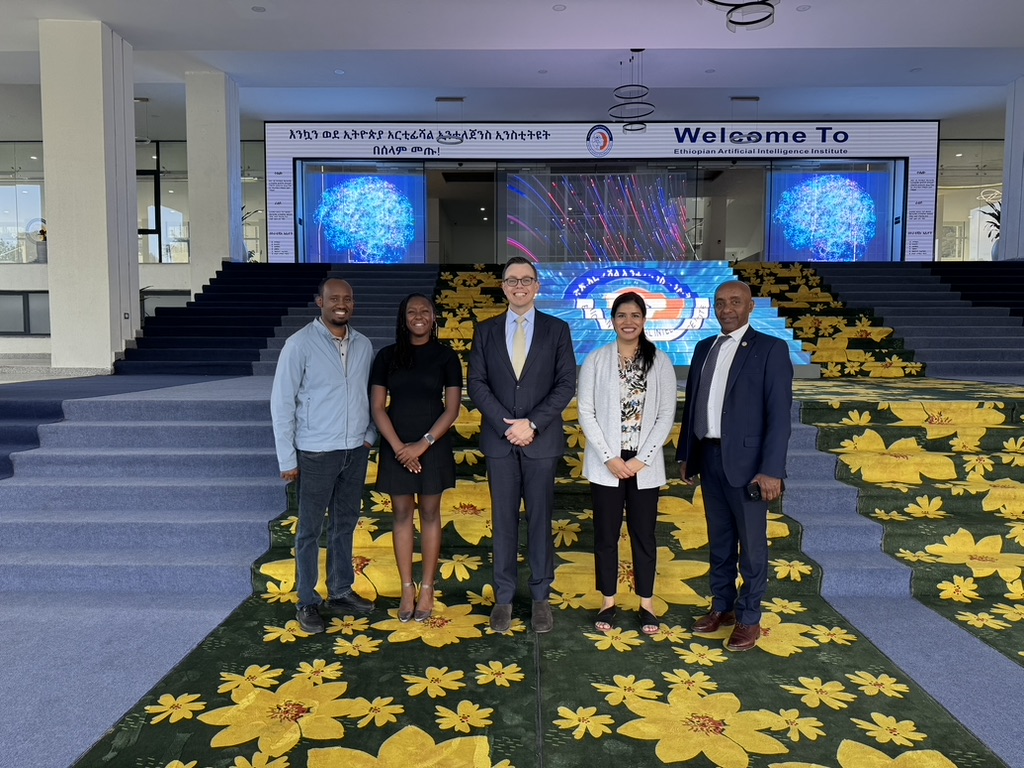
This work shows that Digital Surgery 2.0 infrastructure can operate across entire health systems and countries. We believe similar work will increasingly become possible domestically as well, especially as we begin to address serious challenges in how we train surgeons and maintain surgical excellence over time.
New signal processing and AI tools
Finally, we are beginning to develop new signal processing and AI tools built on top of surgical data primitives such as motion, gestures, and workflow.
As models continue to advance, and our ability to aggregate and structure surgical data improves, we expect a series of broadly useful tools to be released over the coming year.
Building Digital Surgery 2.0 Together
Digital Surgery 2.0 will be built by a community of surgeons, researchers, technologists, hospitals, industry, and governments working on shared infrastructure and shared problems.
Digital Surgery 1.0 was about digitizing the operating room. Digital Surgery 2.0 will be about understanding, improving, and scaling surgical care globally. We invite anyone and everyone interested in this future to help build it with us.
1. Nepogodiev D, Picciochi M, Ademuyiwa A, Adisa A, Agbeko AE, Aguilera M-L, et al. Surgical health policy 2025–35: Strengthening Essential Services for tomorrow’s needs. The Lancet. 2025 Aug;406(10505):860–80. doi:10.1016/s0140-6736(25)00985-7