In Part 1 and Part 2 of this series, we explored the IDEAL framework, why it matters for surgical innovation, and how surgical data science can help overcome many of the barriers to evidence generation. In this final article, we showcase how the work of Surgical Data Science Collective (SDSC) aligns with each stage of the framework, and how collaborators are already applying these principles to real-world projects.
IDEAL provides a structured, ethical, and evidence-based pathway for evaluating surgical innovations – whether that innovation is for a new procedure, training method, device, or artificial intelligence (AI) tool. The framework helps ensure that promising ideas can be developed, tested, and eventually translated into practice.
Idea
This stage sits at the beginning of every project.
Researchers, surgeons, and institutions can approach SDSC with an idea, hypothesis, or challenge they would like to explore, and together we determine how surgical video, data science, and AI can help satisfy their curiosity.
Projects at this stage take many forms, including instrument detection, workflow analysis, technical skills assessment, surgical technique comparison, outcome prediction, educational research, or the implementation of video-based research infrastructure.
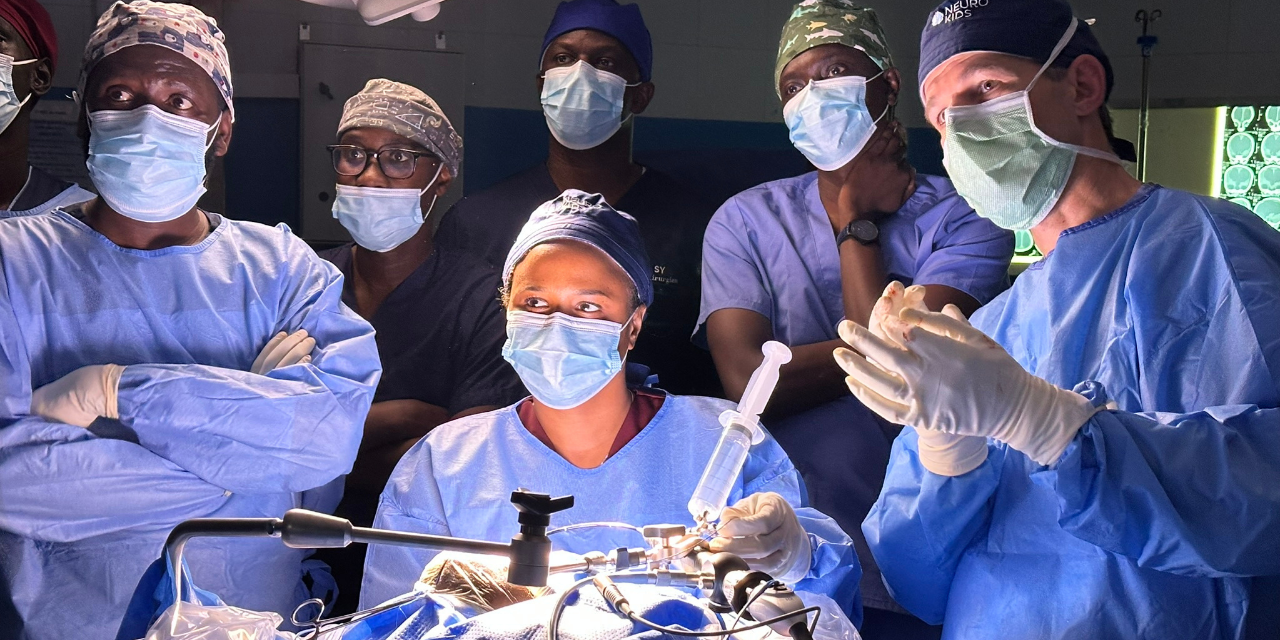
One recent example comes from Orlando Health Children’s Neuroscience Institute’s annual Endoscopic Third Ventriculostomy with Choroid Plexus Cauterization (ETV-CPC) training course. Traditionally, the course has focused solely on hands-on practice, but SDSC is now working with course leaders to explore how objective video-based assessment could be incorporated into the program.

Participants practice key endoscopic maneuvers using simulated models designed to replicate the technical challenges of the procedure. By combining these exercises with bespoke machine learning models, the goal is to measure factors such as efficiency, smoothness, and accuracy before and after training to transform the course from a workshop into a program with objective performance metrics and measurable learning outcomes.
Importantly, this project began exactly where many IDEAL innovations start – with a simple question: how can we better evaluate whether training is improving surgical performance?
Development
During the Development stage, innovations undergo refinement through small studies and iterative improvement. The goal is not yet to prove effectiveness, but to determine whether the proposed measurements and methods are meaningful.
Several SDSC projects fit this stage. Two examples being the research project Danielle Levy completed as a medical student, and Dr. Jacob Young’s proof-of-concept studies, both of which used Surgical Video Platform (SVP) to investigate how video-based analytics can support surgical education and feedback.
Rather than asking whether the platform improves outcomes, these early studies focused on whether the metrics generated by the platform are useful and informative. This is a critical step in the IDEAL pathway: before evaluating impact, researchers must first establish that they are measuring something meaningful.
These projects also demonstrate an important principle of surgical data science: video platforms are not simply repositories for data. They are tools that enable entirely new forms of research.
Exploration
The Exploration stage focuses on broader adoption across surgeons, institutions, and healthcare systems. Researchers begin identifying sources of variation, refining workflows, and preparing innovations for larger-scale evaluation.
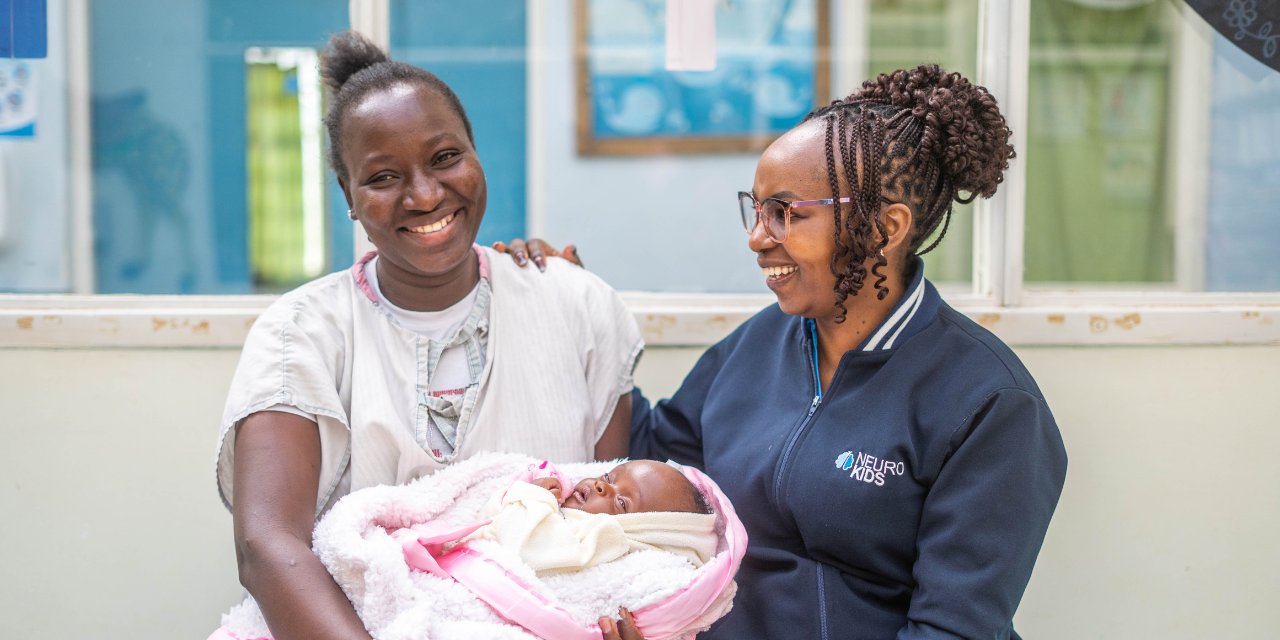
One example is SDSC's work with NeuroKids, an international NGO focused on expanding access to ETV-CPC training. Surgeons across multiple centres are now using the SVP to upload, review, and analyze procedures, allowing expertise to be shared beyond traditional geographic boundaries.
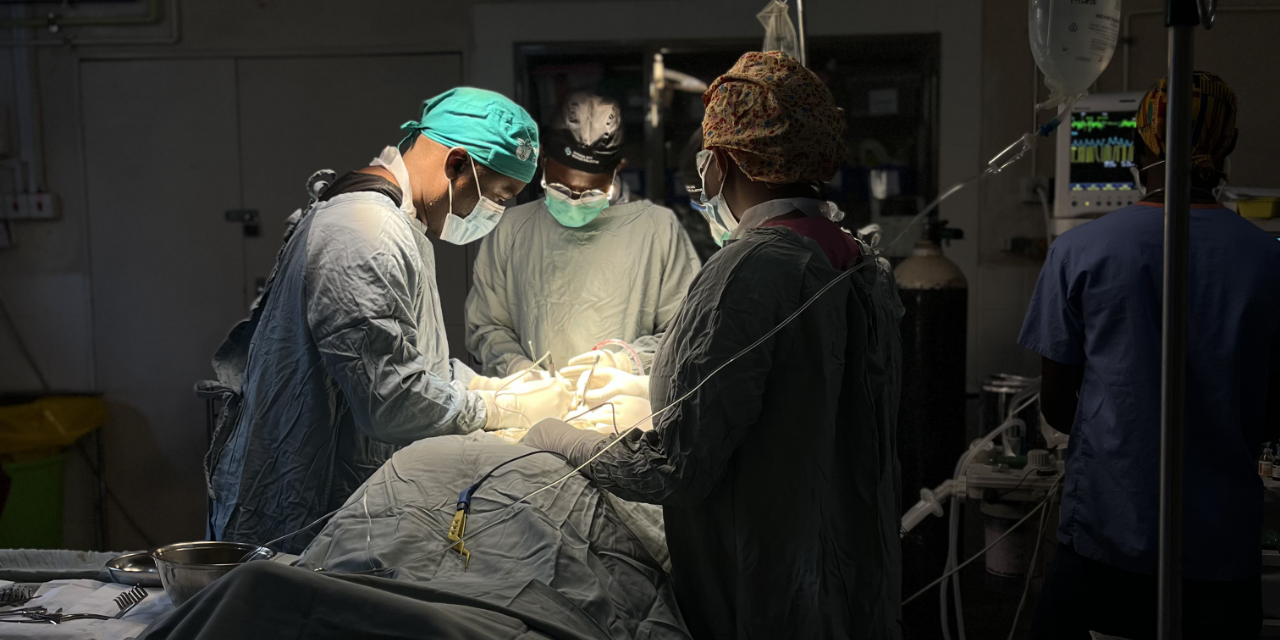
Similarly, SDSC is working with Queen Elizabeth Central Hospital in Malawi to establish a secure ETV-CPC video library. Beyond supporting education, the platform allows surgeons to revisit complex or unusual cases, review anatomy, and discuss decision-making with colleagues. These capabilities create opportunities for both learning and future research while helping to standardize video-based practice across institutions.

This stage is particularly important because innovations rarely succeed in only one center. Exploration helps determine whether a tool or process remains useful when adopted by different surgeons working in different environments.
Assessment
The Assessment stage involves formal comparative evaluation, often through controlled studies designed to determine whether an innovation improves outcomes compared with current practice.
This remains one of the biggest challenges in surgical data science and AI. As Dr. Hani Marcus discussed in Part 1 of this series, relatively few surgical AI tools have progressed to rigorous comparative evaluation. This is not unique to SDSC projects; it reflects the current state of the field more broadly.
Reaching this stage requires validated metrics, sufficient data, multi-center collaboration, and carefully designed study protocols. While many promising tools are currently progressing through the earlier IDEAL stages, the next challenge for the field is generating high-quality evidence needed for widespread clinical adoption.
The good news is that platforms like SVP are helping build the infrastructure required to make these studies possible.
Long-term study
The final IDEAL stage focuses on ongoing monitoring after an innovation has been introduced into practice.
A current example is SDSC's collaboration with Muhimbili Orthopaedic Institute (MOI) in Tanzania. The study is investigating whether AI-assisted video review and coaching can improve operative skill acquisition in ETV-CPC among neurosurgical trainees.
Unlike shorter proof-of-concept projects, this work follows trainees over time, allowing researchers to examine how skills develop and whether video-based feedback influences performance.
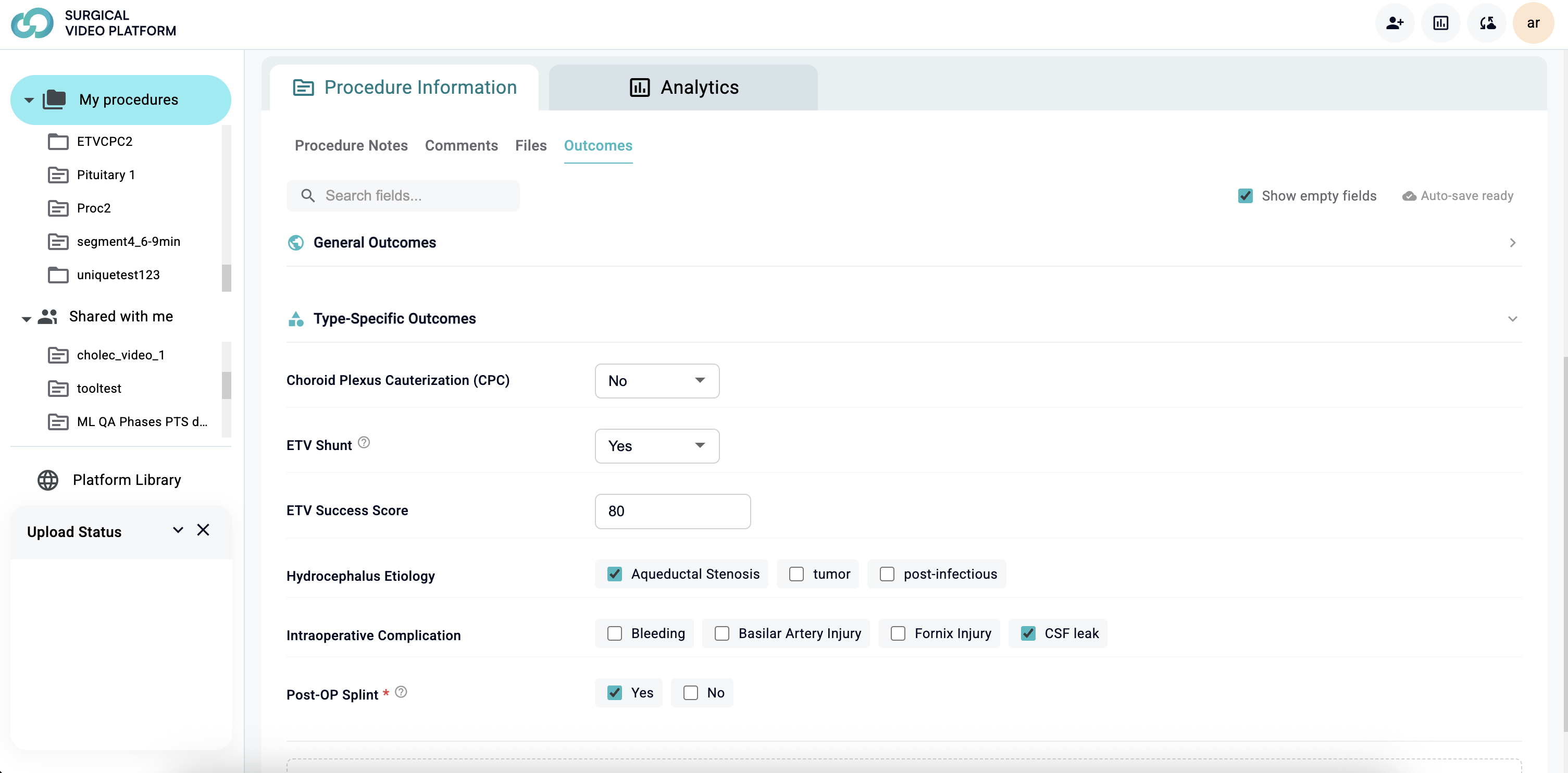
NeuroKids is also collecting longitudinal procedural and outcomes data, creating opportunities to explore how intraoperative video metrics relate to patient outcomes. These types of metric-outcome correlations represent an important step toward understanding the long-term clinical value of surgical data science tools.
Conclusion
The IDEAL framework reminds us that innovation is not a single breakthrough moment but a journey. From generating ideas and refining methods to scaling adoption and evaluating long-term impact, each stage plays a vital role.
Across SDSC's collaborations, we are seeing projects at every point along that pathway. Whether developing new AI tools, creating objective training assessments, building international video libraries, or studying long-term outcomes, the goal remains the same: generating better evidence to improve surgical care.
If you have a research question, educational challenge, or surgical innovation you would like to explore, we'd love to hear from you. Fill out our ‘Become a Research Partner’ form or email us at info@surgicalvideo.io.